
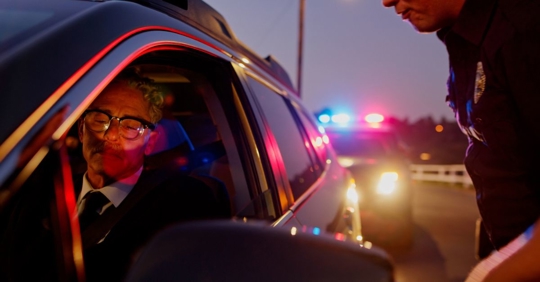
Being pulled over, especially on familiar roads, can catch you off guard, even if you consider yourself a careful driver. In those first few moments, it’s common to feel stressed, unsure of what to say, or worried about what comes next. What you do during and after the stop can make a meaningful difference in how the situation unfolds. Having a clear understanding of your rights and responsibilities helps you stay grounded when it matters most.
What to Do Immediately After Being Pulled Over
The first moments of a traffic stop are often the most important. Once you notice flashing lights, safely signal and pull over as soon as it is practical to do so. Staying calm and predictable in your movements helps avoid misunderstandings with the officer.
Keep your hands visible on the steering wheel and avoid sudden movements inside the vehicle. If it’s nighttime, turning on your interior light can also help create a clearer interaction. Most importantly, remain polite and avoid argumentative responses, even if you believe the stop is unfair.
Why Drivers Get Stopped in Howard County
Traffic stops in Howard County can happen for many reasons, and not all of them are immediately obvious to the driver. Officers must observe a potential violation before initiating a stop, but that does not always mean the reason is immediately clear to you.
Common reasons include speeding, equipment issues, or minor traffic infractions that escalate into a stop depending on conditions.
- Speed-related concerns: Even small increases over the limit can draw attention in certain zones or conditions.
- Equipment issues: Broken lights, expired tags, or window tint can trigger a stop even if driving is otherwise safe.
- Observed driving behavior: Swerving, abrupt braking, or rolling stops may be interpreted as unsafe driving patterns.
Understanding these possibilities helps drivers better interpret why they were stopped and reduces confusion in the moment.
What You Are Required to Provide During a Stop
During a traffic stop, Maryland law requires drivers to provide certain documents when requested. However, there is a distinction between what you must provide and what you are not obligated to discuss.
You are typically required to present your license, registration, and proof of insurance. These should be ready and easily accessible if possible.
- Driver’s license: Must be presented upon request without resistance or delay.
- Vehicle registration: Confirms legal ownership and vehicle status.
- Insurance documentation: Required to verify financial responsibility.
You are not required to answer detailed questions about where you are going or what you were doing beyond basic identification. Keeping responses minimal and respectful is generally the safest approach until you fully understand the situation.
Mistakes Drivers Commonly Make During Traffic Stops
Even minor decisions during a stop can unintentionally escalate the situation or create complications later. Many drivers in Howard County make the same avoidable errors simply due to stress or uncertainty.
- Arguing with the officer: Disputes at the roadside rarely resolve anything and can escalate tension.
- Admitting fault too quickly: Statements made in the moment can later be interpreted differently in court.
- Reaching for items without explanation: Sudden movements can raise safety concerns even if harmless.
A calm, controlled interaction helps keep the stop focused and professional. Once the encounter ends, you can take time to evaluate what happened more clearly.
After the Stop: Citations, Warnings, or Arrest
Once the stop concludes, you may receive a warning, a citation, or in more serious cases, be placed under arrest. Each outcome carries different next steps, but none should be ignored.
A citation usually includes a court date or instructions for payment. It is important not to miss deadlines or assume a ticket will resolve itself. In more serious situations, such as multiple violations or suspected impairment, the consequences can escalate quickly.
Keeping documentation organized and noting what occurred during the stop can be helpful if you later need to respond legally.
When to Speak With a Howard County Defense Attorney
Even a routine traffic stop can develop into something more serious depending on the circumstances and how the case is handled afterward. Speaking with a defense attorney early allows you to understand your options before making decisions that could affect your record or driving privileges.
The attorneys at Shapiro Zwanetz & Lake work closely with individuals throughout Howard County and understand how local enforcement approaches traffic-related cases. With direct access to attorneys, 24/7 availability, and a team rooted in the community, clients receive guidance that is both practical and personal—not generic legal advice.
If you were recently pulled over and are unsure what comes next, contact us at (410) 927-5137 to speak with someone who can help you evaluate your situation and take the next step with clarity.